

Cultural perspectives on gambling how background shapes risk and reward
Understanding Gambling in Historical Context
Gambling has been a part of human culture for centuries, and its history reflects a diverse array of societal norms and values. The earliest forms of gambling can be traced back to ancient civilizations, where games of chance were often tied to religious practices or social rituals. In many cultures, gambling was not merely a form of entertainment but also a means of forging community bonds and affirming social hierarchies. For instance, the use of dice in ancient Mesopotamia demonstrated how games could serve both recreational and spiritual purposes, influencing community dynamics. Today, platforms like Casea illustrate the ongoing evolution of this activity.
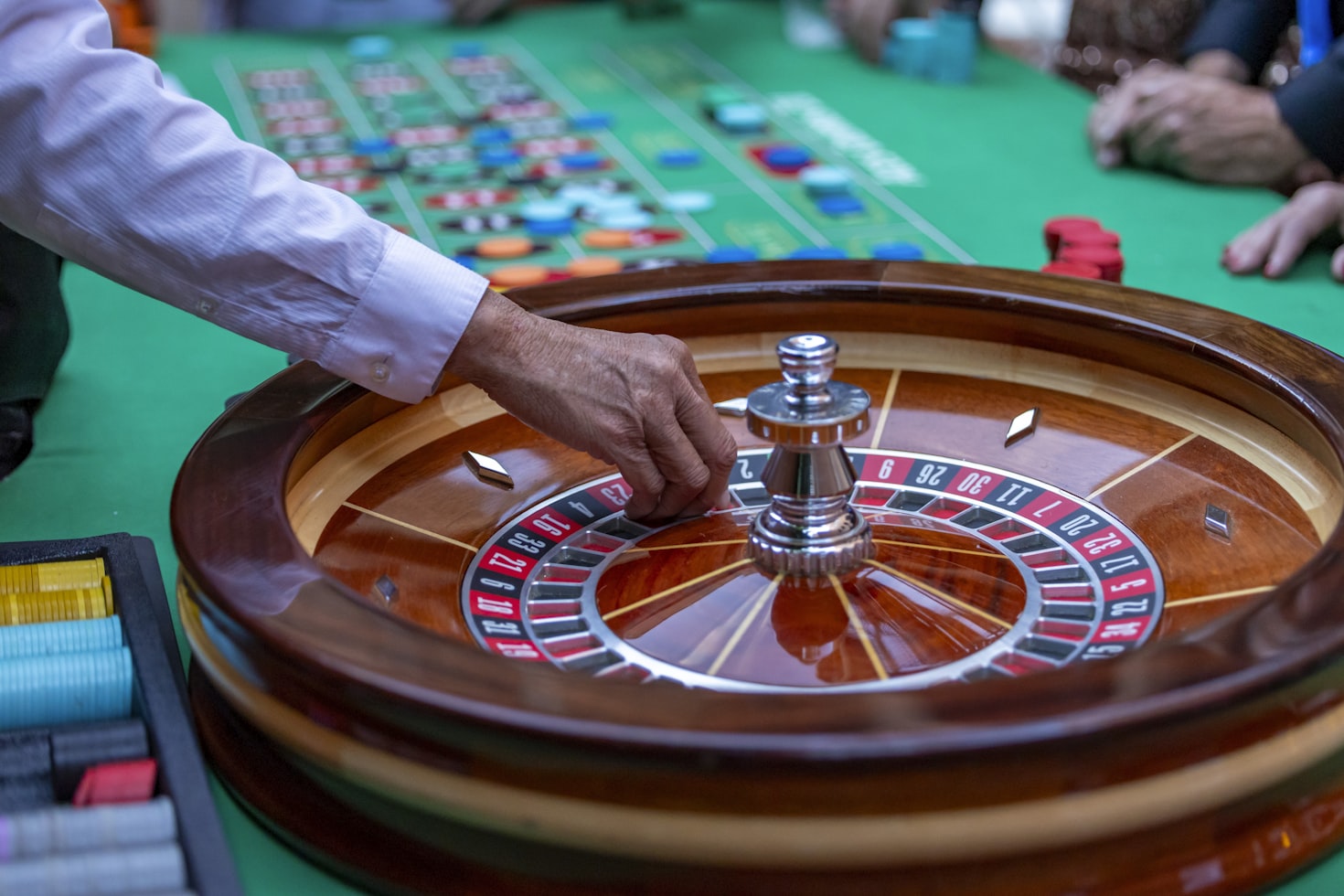
As societies evolved, so too did the perception of gambling. In medieval Europe, for example, gambling was often associated with the aristocracy and was a reflection of wealth and status. It was during this time that various games of chance emerged, including card games and betting on events. Cultural attitudes toward gambling began to shift, often paralleling societal changes and the rise of capitalism, where individual risk-taking became more prominent and accepted. Understanding these historical contexts is essential in analyzing contemporary attitudes toward gambling.
Today, the landscape of gambling has transformed significantly, driven by technology and globalization. Online gambling platforms have made betting more accessible, leading to varied cultural responses based on background and historical context. While some cultures embrace gambling as a legitimate form of entertainment, others view it as a moral failing or a societal ill. This dichotomy highlights the importance of understanding cultural backgrounds when discussing gambling and its implications on risk and reward.
Cultural Variations in Gambling Attitudes
Cultural background plays a critical role in shaping how individuals perceive and engage with gambling. For instance, in countries like China, gambling is deeply integrated into social customs, particularly during celebrations such as the Lunar New Year. The act of betting on games like Mahjong or participating in lotteries can symbolize prosperity and good fortune. In contrast, cultures with strong religious beliefs, such as certain Middle Eastern societies, often regard gambling as a vice, leading to strict prohibitions and social stigmas against it. These cultural beliefs significantly influence individual behavior towards gambling activities.
Furthermore, the normalization of gambling varies greatly around the world. In countries with legalized gambling industries, like the United States and Australia, it is often viewed as a harmless leisure activity, and massive sums are spent on marketing and promotions. The cultural acceptance can lead to an environment where individuals may be more inclined to gamble, perceiving it as an opportunity for social engagement rather than a risk-laden endeavor. In contrast, in regions where gambling is illegal or heavily regulated, individuals may approach it with caution, fearing social repercussions or legal consequences.
This cultural lens is crucial in understanding the psychological aspects of gambling behavior. Those from cultures that celebrate gambling may exhibit different attitudes towards risk, often viewing it as a potential for reward rather than a threat. Conversely, in cultures that perceive gambling negatively, individuals might experience higher levels of anxiety and guilt associated with gambling activities, which can influence their decision-making processes and overall participation in gambling.
The Psychology of Risk and Reward
The psychology behind gambling reveals how cultural perspectives influence the assessment of risk and reward. Risk-taking behavior is often contextualized through cultural narratives and values, with some cultures promoting individualism and personal agency while others emphasize caution and communal responsibility. In cultures that encourage risk-taking, such as those that foster entrepreneurial spirits, gambling can be perceived as a calculated risk, akin to investing in a new venture. This perspective can create an environment where individuals feel empowered to gamble, viewing potential losses as manageable.
Conversely, cultures that prioritize communal values may stress the importance of collective well-being over individual gain. In such contexts, gambling may be frowned upon due to the potential negative repercussions on family and community. The psychological burden of gambling can therefore be intensified, leading individuals to experience heightened feelings of shame or failure when they do engage in it. This cultural framing influences not only individual choices but also broader societal attitudes, creating a feedback loop that reinforces or challenges existing norms around gambling.
Moreover, the role of cognitive biases in gambling behavior, such as the illusion of control and the gambler’s fallacy, is also shaped by cultural influences. These biases can distort perceptions of risk and reward, leading individuals to make irrational choices based on their backgrounds and experiences. Understanding these psychological factors through a cultural lens allows for a deeper exploration of why individuals gamble and how their backgrounds shape their perceptions of risk and reward.
The Economic Impact of Gambling Across Cultures
The economic implications of gambling are significant and varied, influenced heavily by cultural attitudes and regulatory environments. In societies where gambling is embraced, it often serves as a substantial revenue source for governments through taxation and job creation in the gaming industry. For example, in Las Vegas, the casino industry not only thrives but also shapes the local economy, offering employment opportunities and stimulating tourism. This economic dependency can lead to a cultural perception that gambling is beneficial, reinforcing its acceptance in those communities.
In contrast, regions where gambling is restricted or illegal often experience the opposite effects, as underground gambling markets may emerge, leading to unregulated and potentially harmful practices. The economic disadvantages of these illicit markets can result in lost tax revenue and an inability to provide adequate support for those affected by gambling addiction. This disparity highlights how cultural perspectives on gambling can significantly impact economic outcomes, shaping not just individual experiences but also societal structures.
Additionally, the rise of online gambling platforms has blurred the lines between different cultural attitudes and economic outcomes. As more individuals participate in online gambling, regardless of their geographical location, the potential for both economic growth and social problems becomes more pronounced. This intersection of culture, economics, and gambling presents unique challenges and opportunities, necessitating a nuanced understanding of how cultural backgrounds influence the assessment of risk and reward in the gambling landscape.

Casea Casino: A Modern Gambling Experience
Casea Casino stands as a premier example of how modern online platforms are reshaping the gambling experience. Launched in 2026, it offers a wide array of over 200 games from leading providers, catering to diverse player preferences. What sets Casea Casino apart is its emphasis on player safety and satisfaction, prioritizing security measures such as SSL encryption to protect personal information. This focus on safety reflects a growing cultural awareness surrounding responsible gambling, appealing to users who seek assurance in their gaming experiences.
The casino’s attractive welcome bonuses and ongoing promotions serve to enhance player engagement, creating an environment that encourages exploration while minimizing financial risk. This approach aligns with the cultural shift toward viewing online gambling as a legitimate form of entertainment rather than mere risk-taking. As players navigate through various slots, table games, and live dealer options, the platform facilitates a more inclusive atmosphere that caters to diverse backgrounds and preferences.
In conclusion, Casea Casino exemplifies the modern evolution of gambling, blending cultural considerations with cutting-edge technology. As the gambling landscape continues to evolve, understanding cultural perspectives will remain crucial in shaping how individuals perceive risk and reward. By fostering a safe and engaging environment, Casea Casino not only enhances the online gaming experience but also encourages responsible gambling practices, ultimately bridging the gap between cultural attitudes and the contemporary gambling industry.
